
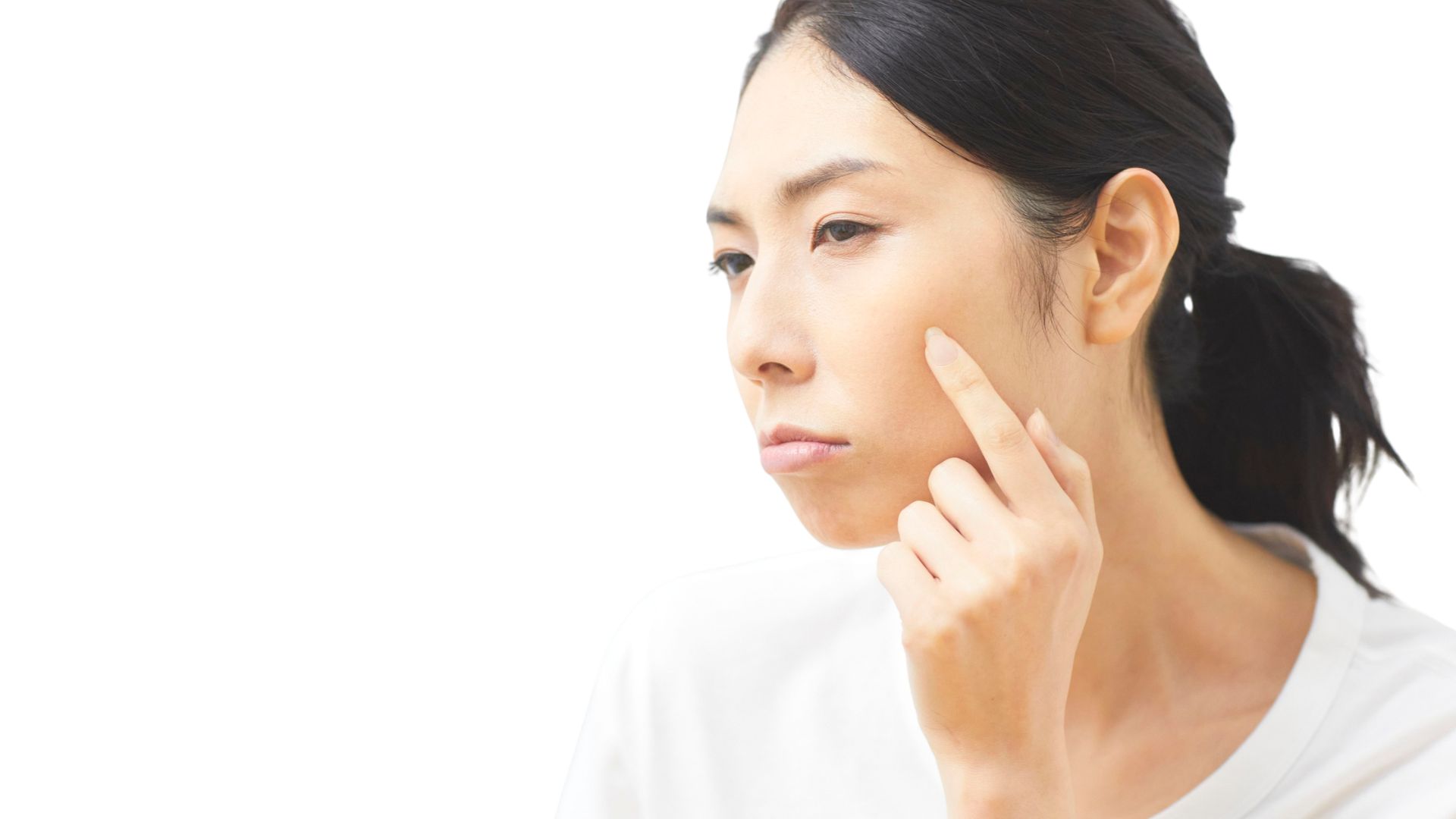
Skin barrier changes during menopause
Skin barrier changes during menopause can affect how the skin feels, behaves and responds to skincare products.
During perimenopause and menopause, hormonal changes can influence hydration levels, oil production, inflammation and skin sensitivity. As a result, many women notice that their skin suddenly becomes more reactive, dry, irritated or uncomfortable.
What Is the Skin Barrier?
The skin barrier is the outer protective layer of the skin. Its role is to help keep moisture within the skin while protecting against environmental irritants, allergens and bacteria.
When the skin barrier is functioning well, the skin generally feels more balanced, comfortable and resilient. When the barrier becomes disrupted, the skin may feel tight, sensitive, inflamed or easily irritated.
Why the Skin Barrier Changes During Menopause
Hormonal changes during menopause can affect the skin barrier in several ways. Lower oestrogen levels may contribute to reduced hydration, slower skin repair and changes in the skin’s natural lipid content.
These changes can make the skin more vulnerable to irritation, dryness and sensitivity, particularly when combined with harsh skincare products, over-exfoliation or environmental stress.
Signs of a Damaged Skin Barrier
Skin barrier changes during menopause can appear differently from person to person, but some common signs include:
- Increased sensitivity or irritation
- Tightness or discomfort
- Dry or flaky skin
- Redness and inflammation
- Burning or stinging from products
- Skin that suddenly reacts differently to skincare
Some women may also notice acne, rosacea flare-ups or increased skin reactivity alongside barrier disruption.
Skin Barrier Changes and Sensitivity
As the skin barrier becomes more compromised, the skin may become more reactive to products or ingredients that were previously well tolerated.
This is one reason why some women suddenly find their skincare routine no longer feels suitable during perimenopause or menopause.
Over-Exfoliation During Menopause
It is common for women to try stronger exfoliants or active products when dealing with breakouts, dullness or changes in texture. However, over-exfoliation can sometimes make skin barrier changes during menopause feel worse.
Using too many active ingredients at once may increase redness, irritation, dryness and sensitivity, especially if the skin barrier is already struggling.
Ingredients That May Support the Skin Barrier
Some ingredients may help support the skin barrier by improving hydration and reducing irritation. Ingredients such as ceramides, niacinamide, glycerin and hyaluronic acid are often used within supportive skincare routines.
The best approach will depend on your skin concerns, your level of sensitivity and how your skin is behaving overall.
Why Simpler Skincare Can Sometimes Help
During menopause, skin does not always benefit from complicated routines or excessive products. In some cases, simplifying a routine and focusing on barrier support can help the skin feel calmer and more comfortable.
Understanding skin barrier changes during menopause can help you make more informed skincare choices and avoid overloading the skin with unnecessary products.
When to Seek Support
If you’re experiencing dryness, sensitivity or irritation and would like some personalised guidance, I offer a free 20-minute menopause skincare conversation to help you better understand your skin and the options available to support it. Book your free conversation here.
If you would like further information about menopause symptoms or support, you can visit the NHS menopause information page.
If you are also noticing increased breakouts or congestion, you may find our article on menopause acne helpful.

