
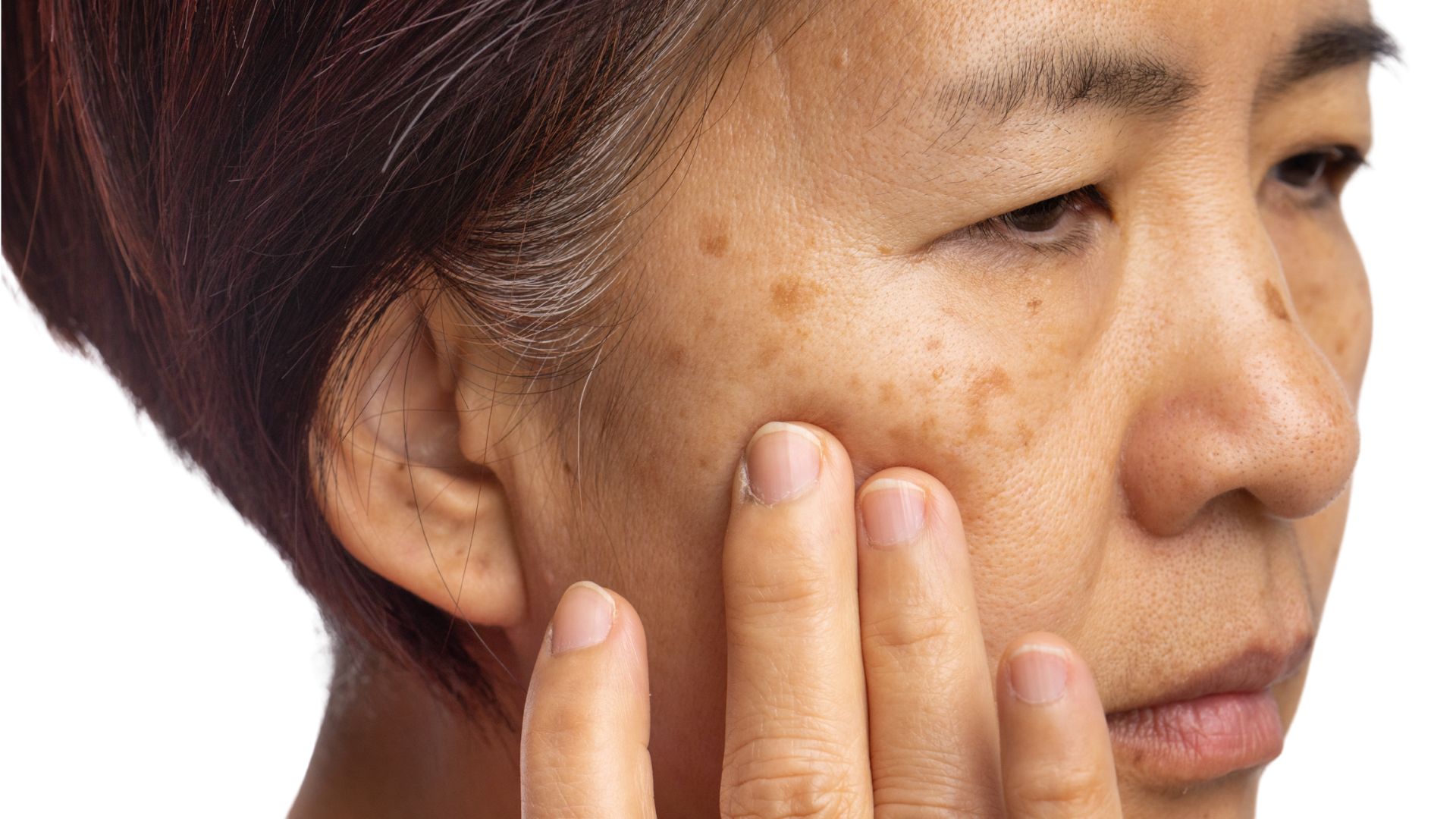
Menopause Skin Changes: The Truth About What’s Happening and What Helps
If your skin has suddenly started to feel different, drier, more sensitive, or just harder to manage, you’re not imagining it.
Menopause skin changes can happen gradually or quite quickly, and for many women, it feels like the products and routines that once worked no longer give the same results.
After years working in skincare and advanced treatments, this is one of the most common concerns I see and one of the most misunderstood.
The good news is, once you understand what’s happening, your skin becomes much easier to manage.
What Happens to Your Skin During Menopause
As hormone levels change, particularly oestrogen, your skin is directly affected. This isn’t just about ageing, it’s about how your skin functions day to day.
- Collagen production slows more rapidly
- Skin can become thinner and less elastic
- Oil production decreases, leading to dryness
- Sensitivity can increase
- Breakouts can still occur due to hormonal imbalance
These menopause skin changes are completely normal, but they do mean your skin needs a more supportive approach.
Why Your Skincare Routine May Stop Working
One of the biggest frustrations is that your usual products suddenly seem less effective.
This often happens because your skin’s needs have changed, but your routine hasn’t adapted with it.
What worked in your 20s or 30s may no longer support your skin properly now.
This is where a more considered approach to skincare for women over 40 becomes important focusing on hydration, barrier support and simplicity rather than layering multiple products.
The Most Common Skin Concerns After 40
Although everyone’s skin is different, there are a few patterns that tend to come up repeatedly:
- Dryness and dehydration
- Loss of firmness and elasticity
- Sensitivity and irritation
- Uneven skin tone or pigmentation
- Unexpected breakouts
Understanding these changes helps you respond in the right way, rather than guessing or overcomplicating your routine.
What Actually Helps
When it comes to managing menopause skin changes, simpler is often better.
Instead of adding more, focus on what your skin genuinely needs:
- A consistent, gentle skincare routine
- Products that support hydration and the skin barrier
- Avoiding overuse of strong or irritating ingredients
- Adjusting your routine as your skin changes
For some, professional treatments can also help but only when they are appropriate and supported by a good home routine.
This is where understanding the balance between skincare at home vs clinic becomes important.
What You Don’t Need
There is a lot of pressure to “fix” ageing skin, often through more products or more treatments.
In reality, many women don’t need more, they need clarity.
- You don’t need a complicated 10-step routine
- You don’t need to follow every trend
- You don’t need to constantly switch products
A calmer, more consistent approach usually leads to better results.
Where to Start
If your skin feels different and you’re not sure what to do next, the best place to start is understanding what your skin actually needs now.
A simple, tailored approach to skincare for women over 40 can make a noticeable difference, both in how your skin looks and how confident you feel managing it.
Final Thoughts
Menopause skin changes can feel frustrating at first, but they don’t have to be overwhelming.
With the right understanding and a more supportive approach, your skin can feel healthier, calmer and much easier to manage.
It’s not about doing more, it’s about doing what’s right for your skin now.
If you would like to better understand how hormonal changes can affect sensitivity and irritation, you may also find our article on skin barrier changes during menopause helpful.
For further information about menopause symptoms and hormonal changes, you can visit the NHS menopause information page.
Need Some Personalised Advice?
Every woman’s skin is different, and the changes that happen during perimenopause and menopause can vary enormously.
If you’re feeling unsure about your skin, your current skincare routine, or what treatments might be suitable for you, I offer a free 20-minute menopause skincare conversation.
It’s an opportunity to discuss your concerns, ask questions, and get some guidance on the next steps for your skin.
