
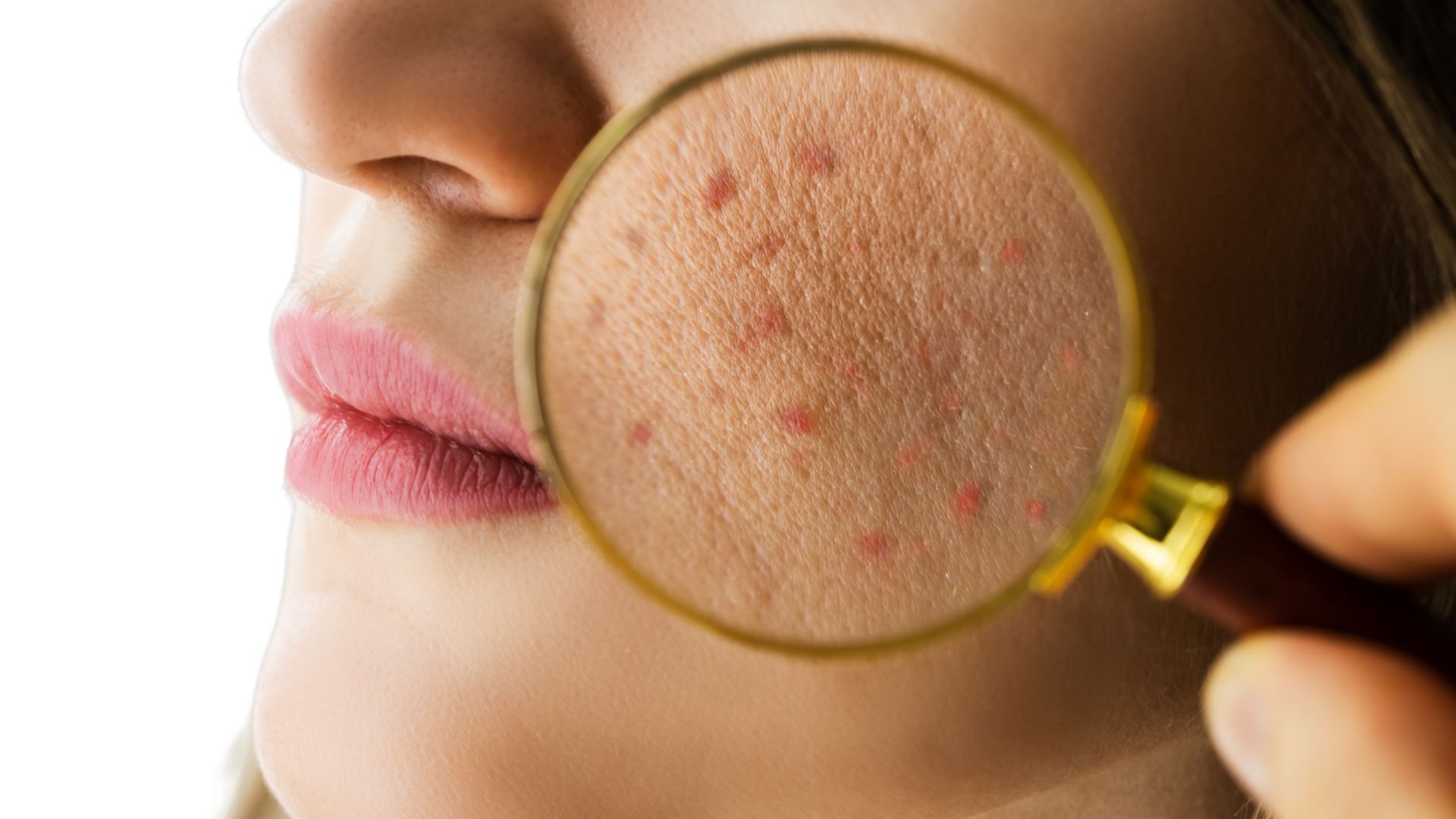
Menopause Acne
Menopause acne can feel frustrating, especially if you thought breakouts were something you had left behind years ago.
During perimenopause and menopause, hormonal changes can affect oil production, inflammation, skin barrier function and how the skin responds to products. This can lead to breakouts, often around the chin, jawline and lower face.
What Causes Menopause Acne?
Menopause acne is often linked to hormonal fluctuations. As oestrogen levels change, the balance between hormones can shift, which may contribute to increased oiliness, blocked pores and inflammatory breakouts.
Stress, sleep changes, skincare products, lifestyle factors and skin barrier disruption can also play a role, which is why menopause acne should be looked at as part of the whole skin picture.
Why Menopause Acne Feels Different
Breakouts during perimenopause and menopause can feel different from teenage acne. They may be deeper, more inflamed or slower to heal, and they often appear around the lower face, chin and jawline.
Many women also experience menopause acne alongside sensitivity, redness, dryness or changes in firmness, which can make treatment feel more complicated.
Skin Barrier Changes and Acne
The skin barrier plays an important role in protecting the skin and keeping it balanced. When the barrier becomes disrupted, the skin may feel more sensitive, irritated or reactive.
If acne is treated too aggressively, the skin barrier can become more compromised, which may make redness, irritation and breakouts feel worse.
Why Harsh Products Can Make Acne Worse
It can be tempting to use strong cleansers, exfoliants or drying spot treatments when breakouts appear, but this is not always helpful during menopause.
Skin may become more reactive during perimenopause and menopause, so harsh products can sometimes increase irritation, dryness and inflammation. A calmer, more supportive routine is often more effective than over-treating the skin.
Ingredients That May Help Menopause Acne
Some ingredients may help support menopause acne when used carefully and appropriately for the skin. These may include ingredients that support the skin barrier, calm inflammation, regulate oiliness or encourage healthy skin renewal.
Ingredients such as niacinamide, azelaic acid and gentle exfoliating acids may be useful for some skins, while retinoids may also be helpful when introduced gradually and tolerated well.
The right ingredients will depend on your skin, your level of sensitivity and the other changes happening within your skin.
Menopause Acne Is Not One-Size-Fits-All
Not every breakout during menopause has the same cause. Some women experience oily, congested skin, while others have breakouts on skin that is also dry, sensitive or reactive.
This is why menopause acne should not be treated with a generic acne routine. The best approach depends on how your skin is behaving now and what else is happening alongside the breakouts.
When to Get Support
If menopause acne is persistent, painful, worsening or affecting your confidence, it may be helpful to seek professional advice. If you’re feeling overwhelmed by the amount of advice online, I offer a free 20-minute menopause skincare conversation.
It’s an opportunity to talk through your concerns, discuss your current skincare routine and get some personalised guidance on the next steps for your skin.
You don’t need to suffer in silence or spend a fortune on products that may not be right for you.
Book your free 20-minute conversation here.
If you are unsure whether your symptoms are related to menopause or would like further support, you can read more on the NHS menopause information page.
If your skin has become more reactive or difficult to manage, you may also find our article on skin barrier changes during menopause helpful.

